
Understanding Hypertension: A Critical Health Challenge

Hypertension, or high blood pressure, is a significant health concern that increases the risk for heart disease and stroke, two leading causes of death for Americans. Despite its prevalence, only about 1 in 5 U.S. adults has their hypertension under control. This persistent challenge in managing blood pressure can significantly impact long-term health and mortality. But what if a powerful tool could help turn this tide, offering a convenient and effective way to manage this silent threat? Enter telehealth for hypertension.
The landscape of hypertension management is continually evolving. The new 2025 High Blood Pressure Guideline, published on August 14, 2025, marks a pivotal development. This guideline serves as a comprehensive, evidence-based resource for clinicians diagnosing and managing adults with high blood pressure. It offers practical strategies to improve real-world control through accurate measurement and standardized treatment protocols across clinical care settings. It directly replaces the 2017 ACC/AHA High Blood Pressure Guideline and incorporates updated recommendations based on the latest clinical evidence through early 2025.
The Rise of Telehealth in Hypertension Management
While telehealth and telemedicine existed long before, their use by health systems dramatically expanded starting in March 2020 with the onset of the COVID-19 pandemic, driven by the need to continue providing healthcare while minimizing in-person visits. This shift has demonstrated that telehealth is “not going away” and is becoming increasingly crucial for managing chronic diseases like hypertension outside traditional clinic settings. In fact, national experts developing strategies to improve hypertension control have identified telehealth as a key “big idea”.
Key Benefits of Telehealth for Hypertension
Effective Care, Right from Home: Proven Results
Research has shown that telehealth team care, particularly when coordinated by pharmacists and involving home blood pressure telemonitoring, is an effective and safe alternative to clinic-based care for uncontrolled hypertension. A study found that both telehealth and traditional in-clinic care were successful in lowering blood pressure by an average of about 18 mmHg on the systolic reading and 10 mmHg on the diastolic reading, with no significant difference in effectiveness between the two groups. This provides early evidence that telehealth can be a suitable strategy for addressing patients’ high blood pressure needs.
Boosting Patient Engagement: The Role of Home Monitoring
Patients receiving telehealth care often report greater satisfaction with their treatment and convenience, and they are significantly more likely to take their blood pressure frequently at home. This emphasis on self-measured blood pressure (SMBP) monitoring with clinical support is considered a best practice by organizations like the CDC and can significantly improve hypertension control by engaging patients in their own care through education and support. Crucially, the 2025 High Blood Pressure Guideline explicitly highlights home monitoring as a key update to guide high blood pressure treatment decisions.
Overcoming Access Barriers with Telehealth for Hypertension
One of the most significant advantages of telehealth for hypertension is its ability to reduce patient-level barriers that often hinder consistent care. Telehealth helps alleviate challenges such as transportation issues, the need for childcare, and taking time off work for appointments. This convenience can lead to reduced no-show rates and increased medication adherence. For patients in rural areas, telehealth can improve access, although broadband availability remains a concern.
Facilitating Team-Based Care for Better Outcomes
Telehealth is excellent for facilitating a team-based approach to hypertension management. It allows for more in-depth conversations with trained healthcare team members, like pharmacists, who can provide valuable lifestyle counseling—something busy primary care providers might not always have time for. This collaborative model, which emphasizes team-based care, is specifically highlighted as a key update in the 2025 High Blood Pressure Guideline.
Navigating Challenges: Considerations for Widespread Telehealth Adoption
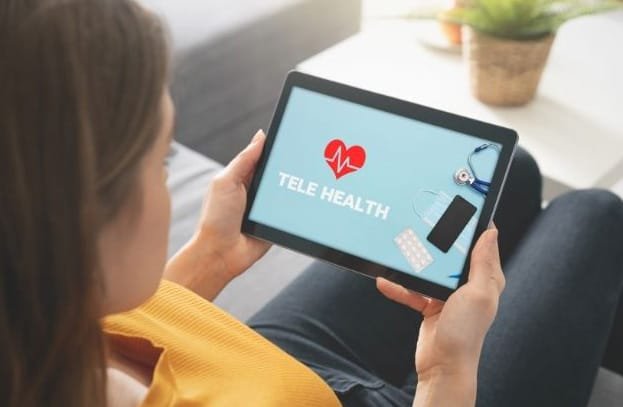
While the promise of telehealth for hypertension is clear, it’s not without its challenges. It’s crucial to remember that telehealth is not a one-size-fits-all solution.
- Technological Access: In rural areas, unreliable broadband internet access and limited cell phone data plans can be significant barriers for patients, as a single telehealth consultation could consume a month’s worth of data.
- Patient Comfort: Some patients, particularly older adults, may be more resistant to using telehealth or lack the necessary technological skills.
- Data Collection: There can be challenges in consistently recording blood pressure in a virtual setting, with studies noting a substantial number of missing blood pressure readings during telehealth visits compared to in-person ones.
- Equity: Disparities in telehealth adoption have also been observed across different racial and ethnic groups, with some groups showing slower and steadier adoption rates.
- Sustainability: Future research is needed to understand how telehealth can be made more sustainable and equitable to reach a broader percentage of the population.
The Future is Virtual: Sustaining Telehealth for Hypertension
Despite these challenges, health systems and patients alike express a desire for continued access to telehealth services long term. Supporting telehealth is an essential component of the AMA Recovery Plan for America’s Physicians, which advocates for aggressive expansion of telehealth policy, research, and resources to ensure its sustainability.
The 2025 High Blood Pressure Guideline provides a critical updated framework for hypertension care. Key updates that telehealth can help implement include the use of PREVENT risk equations to guide high blood pressure treatment decisions, new recommendations for specific patient groups (such as those with chronic kidney disease, pregnant individuals, and those with resistant hypertension), and a continued emphasis on single-pill combinations. Integrating patient-generated blood pressure readings seamlessly into electronic health records (EHRs) will be crucial for informing timely shared decision-making and reducing patient burden associated with recording and transmitting data. The guideline’s overall focus on accurate measurement and standardized treatment protocols across clinical care settings further solidifies the vital role of telehealth in future hypertension management.
Wondering if telehealth is a good fit for managing your hypertension? Let’s find out together. Contact us to start the conversation.
Subscribe to Our Blog
Love what you’re reading? Don’t miss out on the latest insights, tips, and inspiration! Subscribe to our blog and get fresh content delivered straight to your inbox.
📬 Be the first to know.
💡 Gain valuable ideas.
🎉 Join a growing community of informed minds.
Fill out the form, submit, and let’s keep the conversation going.🌟
Explore our articles to discover how telehealth can bring convenient, quality healthcare directly to you: