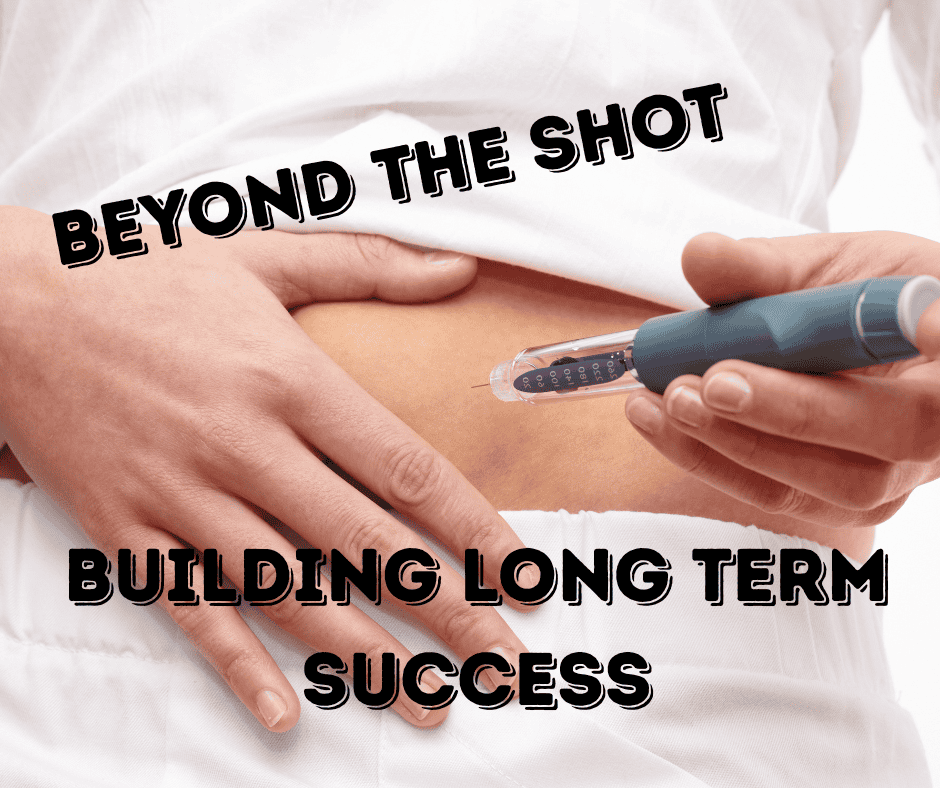
For many people, starting GLP-1 therapy for weight management feels like finally finding the missing puzzle piece. After years of weight struggles, stalled progress, or feeling like your body isn’t responding the way it used to, these medications can provide the breakthrough that gets momentum going again. Patients often describe it as the first time their body stops fighting them.
But here’s the part most clinics and social media posts don’t talk about:
GLP-1 medications work best when they’re part of a bigger story — not the whole story.
What happens after the shot matters just as much as what happens during it.
Hamilton Health & Wellness assists in supporting both phases: the weight-loss journey and what comes afterward. This blog breaks down what patients can realistically expect after GLP-1 therapy, why some people regain weight, and how strategic support can help maintain progress long-term.
This isn’t a guide, and it isn’t a list of instructions. It’s a look behind the curtain — a conversation about the physiology, the psychology, and the support structure that helps patients stay successful after medication.
The Reality: GLP-1s Are a Launchpad, Not the Finish Line
For many patients navigating GLP-1 weight management, the medication is just the beginning.GLP-1 medications like semaglutide and tirzepatide do a lot of heavy lifting in the beginning. They regulate appetite, improve satiety signals, and help balance glucose — all of which support weight loss for people whose bodies have become resistant to change.
But these medications aren’t magic. They don’t permanently “fix” metabolism. And they’re not designed to do all the work indefinitely.
Once patients begin tapering off or taking lower doses, the body adjusts. Hunger cues become more noticeable. Old patterns can start to creep back in. Without support, it’s easy to think something is “wrong” — but in reality, this is the normal physiology of coming off a medication that was specifically built to change how your hunger hormones behave.
This is where Hamilton Health & Wellness steps in.
Why Some People Regain Weight After Stopping GLP-1 Medications
Weight regain isn’t a personal failure. It’s biology.
Here’s what we know:
1. Appetite hormones shift back toward baseline
GLP-1 medications suppress appetite. When the medication dose decreases, people often feel hunger return in ways they haven’t felt in months.
2. The body defends its “set point”
Everyone’s body has a weight range it tries to maintain. After weight loss, the body often responds by slowing metabolism to preserve energy.
3. Stress, sleep, and cortisol play a bigger role than most people realize
Many patients do fine on GLP-1s despite stress or irregular habits. Once the medication is reduced, these factors become more noticeable.
4. Muscle mass matters
The more lean mass a person has, the better their metabolism performs. GLP-1 medications can sometimes reduce appetite so much that patients eat less than their body needs, which may affect muscle retention.
None of these factors are hopeless or unmanageable — they just require awareness and a plan. Not a rigid formula or a prescriptive program, but a supportive strategy for navigating the transition.
The “Transition Window”: The Most Overlooked Part of GLP-1 Therapy
Most patients notice the shift when:
- Their dose is tapered
- Their hunger returns
- The number on the scale stops moving
- Their routine feels different than it did during active medication
This period — the transition window — isn’t talked about enough. It’s the point where many patients realize they need guidance, accountability, and a sustainable strategy.
How Hamilton Health & Wellness Supports Patients After GLP-1 Therapy
Hamilton Health & Wellness focuses on long-term support without overpromising outcomes or offering services we don’t provide. Here’s how the transition from active GLP-1 therapy to maintenance is handled in a realistic, patient-first way:
1. Personalized follow-ups with a provider who understands GLP-1 de-escalation
Each patient’s biology is different. Some taper slowly while others maintain a low dose. Someone else will discontinue entirely. A provider’s job is to guide that process safely and thoughtfully.
2. Symptom-based adjustments
Instead of rigid formulas, Hamilton Health & Wellness uses real-time feedback — how the patient feels, hunger patterns, energy, and the emotional shift that often accompanies the transition.
3. Supportive interventions when appropriate
This might include additional testing, peptide therapy options or adjustments that fit each patient’s goals.
4. Access to Hamilton Health & Wellness Fullscript supplement recommendations
Hamilton Health & Wellness maintains a curated list of supplements that may support the body after GLP-1 medications. You can find the GLP-1 de-escalation support list on our store page, it leads to Fullscripts. It can help navigating appetite changes, energy dips, and metabolic transitions.
There’s no “one-size-fits-all.” There’s just what’s appropriate and sustainable for the individual.
Understanding the Emotional Side: The Part No One Talks About
Weight loss isn’t only physiological — it’s psychological. While GLP-1 medications help quiet food noise and urge-driven eating, coming off the medication often brings back mental patterns that felt long gone.
Some patients describe:
- A return of “food chatter”
- Feeling less in control
- Worry about regaining weight
- Confusion about “why this feels harder suddenly”
- Anxiety around hunger cues they haven’t felt in months
This doesn’t mean someone is “backsliding.” It means their body is returning to baseline.Hamilton Health & Wellness’s role is to help patients navigate this emotional shift with clarity instead of panic.
Muscle, Metabolism & Maintenance: What Actually Keeps Progress Going
Here’s the truth many providers avoid saying clearly:
The human body resists change — especially weight loss.
Maintenance requires continued support, not a rigid protocol. Hamilton Health & Wellness helps patients understand how metabolism behaves after weight loss and what variables influence it the most:
Metabolism adapts, but it isn’t “broken.”
It simply responds to the cues it’s given.
Muscle tissue is metabolically expensive.
Maintaining strength matters for long-term weight stability.
Stress chemistry influences appetite and cravings.
Cortisol can drive hunger, sleep disruption, and weight fluctuations.
Hormone and gut health can shift after weight changes.
For some patients, this means follow-up labs are appropriate.
This isn’t about perfection. It’s about understanding what’s happening inside the body and having support while it’s happening.
Why Ongoing Support Matters More After the Medication Than During It
Most patients feel confident during the active medication phase because the medication does so much of the work.
The real challenge often begins when:
- Doses decrease
- Side effects fade
- Hunger cues normalize
- Motivation shifts
- Weight plateaus
This is when ongoing support makes the biggest difference.
Not to fix the patient.
Not to “coach” them through a program.
But to offer structure, accountability, options, and a place to troubleshoot the changes they’re experiencing.
Hamilton Health & Wellness positions itself as a partner — not a referee, not a program, and not a quick fix.
What Long-Term Success Looks Like (Realistically)
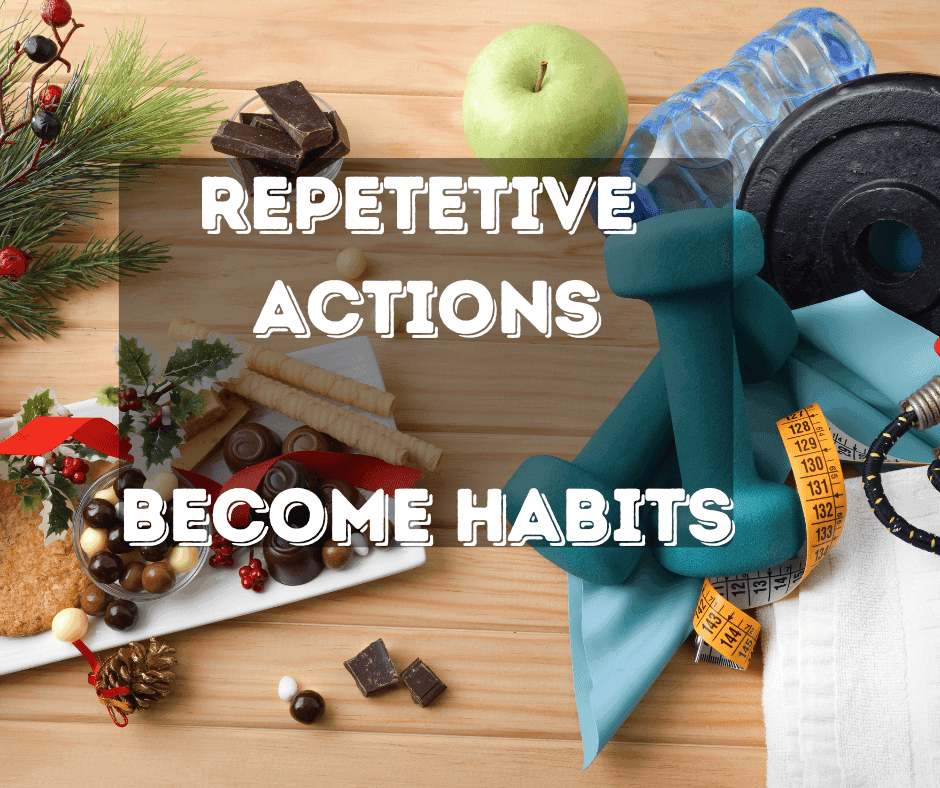
Long-term success isn’t defined by a strict number on the scale. It looks like:
- Stable weight ranges over time
- Better energy
- Improved stress resilience
- More awareness of hunger cues
- A healthier relationship with food
- Confidence in maintaining progress without fear-based thinking
- Knowing where to turn when something feels “off”
Hamilton Health & Wellness’ approach isn’t restrictive. It’s supportive. Patients aren’t expected to figure everything out on their own — that’s the whole point of ongoing care.
Where Hamilton Health & Wellness Fits in Your Post-GLP-1 Journey
Think of GLP-1 therapy as the opening chapter.
Hamilton Health & Wellness helps you write the rest.
Patients turn to us for support when:
- They’re tapering
- They’re switching doses
- Their hunger changes
- They experience a plateau
- They want to explore additional therapies
- They’re ready for next steps in wellness
The goal isn’t to stay on medication forever.
The goal is to build a plan that makes sense for your life today — and your health long-term.
While you are here check out our page Weight Loss & Weight Management
Your Next Step
If you’re transitioning off GLP-1 medication — or thinking about what comes next — we are here to support you through the part that most people navigate alone.
Whether you’re maintaining progress, exploring next steps, or wanting help understanding the changes in your body, we’re here to guide you.
Book your consultation with Hamilton Health & Wellness
Your long-term health deserves long-term support.
👉 www.hamiltontelehealth.com/charm-appt
We would love to have you join us for our podcast Tattoos & Telehealth. You can find us anywhere you find your favorite podcasts. See you there!