
As tick season 2026 approaches, so does an invisible risk that demands serious attention: ticks. Lyme disease is the most common tick-borne illness. Understanding how to protect yourself, recognize the symptoms, and seek proper treatment is critical for your long-term health and wellness.
Whether you are an avid hiker, a gardener, or just someone who enjoys a walk in the local park, this comprehensive guide will equip you with the knowledge you need to navigate tick season 2026 safely and confidently.
Preparing for Tick Season 2026
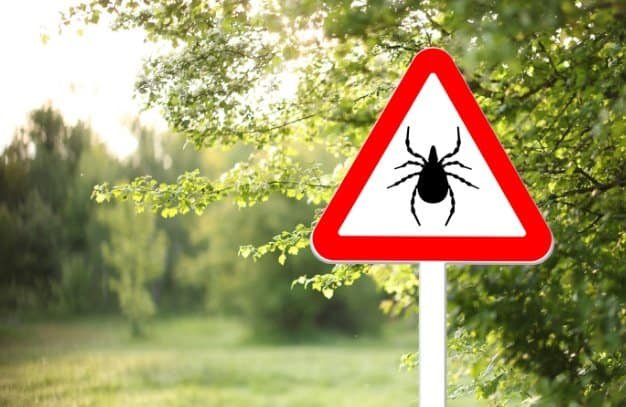
As we gear up for tick season 2026, staying proactive is your best defense. Individuals at risk of exposure should routinely use personal protective measures. Doing so significantly reduces the risk of tick exposure and infection. Whether you live in a high-incidence state or are simply visiting a wooded area, vigilance is key.
Keep the following preventative strategies in mind during tick season 2026:
- Use effective repellents: To prevent tick bites, strongly consider using insect repellents containing DEET, picaridin, oil of lemon eucalyptus (OLE), or permethrin.
- Perform daily tick checks: After coming indoors, thoroughly check your clothing, gear, and body for ticks.
- Know your local risk: Lyme disease risk is highest in areas where over 20% of ticks carry the Borrelia burgdorferi bacterium.
The Weekend Hike That Didn’t Quite End
The following is based on an actual type of case we handle. The patient’s name has been changed to protect his identity.
“Mark,” a 42-year-old avid hiker and father of three, woke up feeling incredibly fatigued with a stiff neck and muscle aches. Just five days earlier, he had enjoyed a weekend camping trip with his family in a densely wooded state park. Adding to his anxiety, he had pulled a small tick off the back of his knee after returning home but hadn’t thought much of it at the time. As his symptoms progressed to a mild fever, he also noticed a distinctive, expanding red “bull’s-eye” rash around the bite site. He felt completely drained. Mark came to us unsure whether to wait for blood tests or start antibiotics immediately to protect his long-term health.
What to Do If You Get a Tick Bite
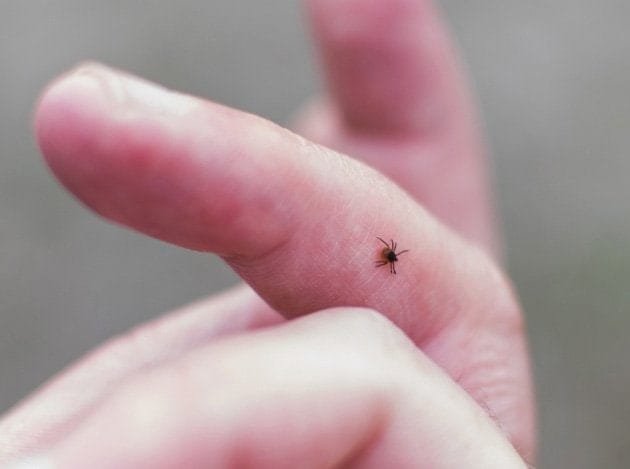
If you discover a tick on your body, do not panic—but do act swiftly.
Proper Tick Removal
- Promptly remove attached ticks by mechanical means using a clean, fine-tipped tweezer.
- Grasp the tick as close to the skin’s surface as possible and pull upward with steady, even pressure.
- Do not twist or jerk the tick. Never burn an attached tick or apply noxious chemicals or petroleum products to coax it out.
- After removing the tick, thoroughly clean the bite area and your hands with rubbing alcohol or soap and water.
Do You Need an Antibiotic Right Away?
Not every tick bite requires medication. Doctors recommend prophylactic (preventative) antibiotic therapy only within 72 hours of removing an identified high-risk tick bite. A tick bite qualifies as high-risk only if it meets all of these criteria:
- The bite occurred in a highly endemic area.
- The tick is an Ixodes species (blacklegged tick).
- The tick was attached for 36 hours or more.
If you meet these criteria, a single dose of oral doxycycline—200 mg for adults and a weight-based dose for children—can significantly lower your risk of developing Lyme disease. Recent evidence shows that a short course of doxycycline is safe for children of all ages, as well as for pregnant and lactating individuals.
Clinical Diagnosis: When to Test and When to Treat

Lyme disease testing requires professional medical judgment. Keep these points in mind:
- Do not test the tick: We recommend submitting the removed tick to identify its species, but testing the tick for the Borrelia burgdorferi bacteria is not recommended, as it does not reliably predict clinical infection.
- Do not test without symptoms: Testing asymptomatic patients for Lyme disease after a tick bite is strongly discouraged.
- Clinical diagnosis for rashes: If you develop erythema migrans (the classic “bull’s-eye” rash) after a potential tick exposure in an endemic area, doctors recommend a clinical diagnosis. Laboratory testing is not needed before starting treatment.
- Testing for advanced symptoms: In patients presenting with acute neurological issues (like meningitis or facial nerve palsy) or severe joint swelling, doctors recommend serum antibody testing to confirm Lyme disease.
Effective Antibiotic Treatment for Lyme Disease
Early and appropriate antibiotic treatment is highly effective when doctors diagnose Lyme disease promptly.
Standard Treatment Guidelines
- Early Lyme Disease: Patients with an erythema migrans rash should receive a 10-day course of doxycycline or a 14-day course of amoxicillin or cefuroxime axetil.
- Lyme Arthritis: For patients experiencing Lyme arthritis (joint swelling), doctors recommend a 28-day course of oral antibiotic therapy as the standard of care.
- Neurological Involvement: Patients with Lyme disease-associated meningitis or spinal cord involvement should receive intravenous (IV) antibiotics, such as ceftriaxone.
A Note on Persistent Symptoms
Some patients experience lingering, nonspecific symptoms such as fatigue, pain, or cognitive impairment after completing their recommended treatment. If no objective evidence of reinfection or treatment failure exists (e.g., active arthritis or neuropathy), experts strongly recommend against additional courses of antibiotics.
Take Charge of Your Health Today
As we enter tick season 2026, knowledge and prompt action are your greatest allies against Lyme disease. From practicing diligent tick checks to understanding when to seek prophylactic antibiotics, you have the power to protect your health and continue safely enjoying the great outdoors.
Don’t let the uncertainty of a tick bite or an unexplained rash keep you sidelined. If you have recently experienced a high-risk tick bite, are developing symptoms like a fever or rash, or simply want to discuss a prevention strategy, we are here to help. Contact us today or book an appointment with us to get the expert, timely care you deserve!
Join Our Mailing List
Love what you’re reading? Don’t miss out on the latest insights, tips, and inspiration! Subscribe to our blog and get fresh content delivered straight to your inbox.
📬 Be the first to know.
💡 Gain valuable ideas.
🎉 Join a growing community of informed minds.
Fill out the form, submit, and let’s keep the conversation going.🌟
Looking to simplify your wellness journey? See how telehealth can help: