The world of sports medicine is undergoing a fundamental transformation. For decades, the standard approach relied heavily on palliative care. This meant using ice, rest, and medications like NSAIDs or corticosteroids to suppress pain and inflammation. Today, a new era has arrived. The clinical focus has shifted from masking symptoms to actively rebuilding damaged tissue. As a result, elite competitors and everyday fitness enthusiasts alike can now return to peak performance stronger than before.
Sidelined: A Frustrating Reality for Athletes
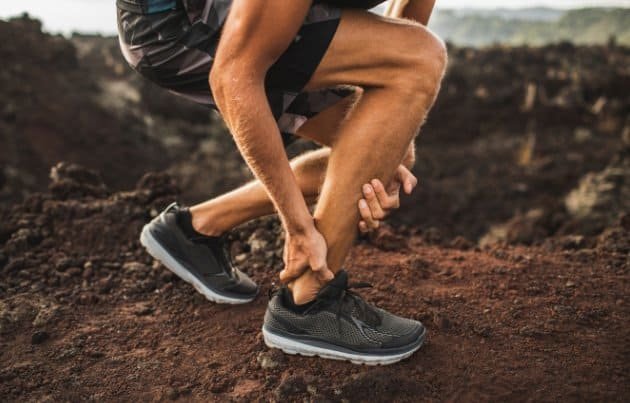
To understand the need for this shift, consider a typical case from our online telehealth clinic. (The patient’s name has been changed to protect his identity.)
“Mark” is a 42-year-old amateur triathlete. He was in the peak of his training block when a sharp ache in his right Achilles tendon brought his routine to a halt. He rested for weeks, applied ice, and took over-the-counter anti-inflammatories. Even so, the pain returned the moment he tried to run. Deeply frustrated, Mark booked a virtual consultation through our secure telehealth platform.
During the call, he uploaded his recent medical records and shared his primary fear. He was terrified his chronic tendinopathy would force him to miss his upcoming race. He also worried that cortisone injections might weaken his tendon’s collagen fibers and lead to a full rupture. On top of that, his schedule was packed and local options felt limited. Ultimately, he needed a regenerative solution he could manage from home — one that would heal his injury from the inside out, not just mask the pain.
The Shift to Regenerative Therapies
Many traditional interventions are effective for short-term pain relief. However, they can impair long-term healing by inhibiting the body’s natural repair pathways. Conventional corticosteroid injections, for example, carry a significant risk of weakening collagen fibers over time.
Regenerative sports medicine is often called “orthobiologics.” It utilizes targeted biological substances to help musculoskeletal injuries heal faster and more completely. Rather than simply dulling discomfort, these therapies address underlying biological bottlenecks, such as the poor blood supply found in tendons, ligaments, and cartilage. In doing so, they stimulate the body’s innate repair mechanisms and promote high-quality tissue remodeling.
The Role of Peptides for Joint Pain in Athletes
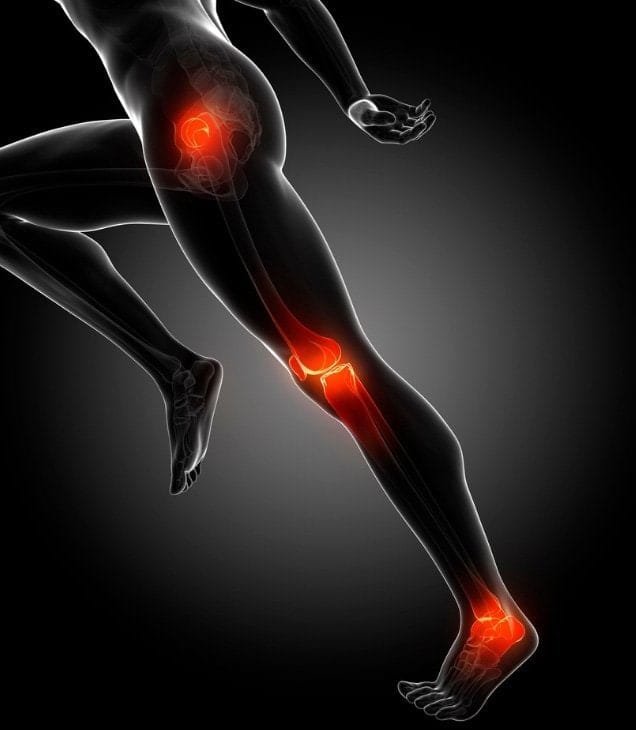
One of the most exciting advancements in regenerative pharmacology is the use of therapeutic peptides. But what exactly are they? Peptides are short chains of amino acids. They occupy a unique space between traditional small-molecule drugs and complex proteins. More specifically, they act as precise signaling molecules within the body, providing cells with specific instructions. These instructions regulate critical processes like immune modulation, collagen synthesis, and cell migration.
As a result, the application of peptides for joint pain in athletes has become central to modern orthopedic recovery. Athletes push their bodies to the limit. They frequently suffer from chronic joint pain and musculoskeletal injuries that struggle to heal on their own. Targeted therapies help clinicians bypass sluggish healing rates. They leverage the body’s endogenous repair networks to restore mechanical strength and functional integrity — without the systemic side effects of larger proteins.
Key Innovations in Peptide Therapy
Medical professionals may utilize different classes of regenerative compounds depending on the physiological need. Here are a few notable examples of how these signaling molecules are transforming recovery:
- Targeting Cellular Migration with TB-500: TB-500 is a synthetic fragment of Thymosin Beta-4. This endogenous protein is essential for wound healing and tissue repair. TB-500 acts as a “cellular GPS” by regulating actin, a structural protein. This helps mobilize repair cells and directs them to the site of injury. It also reduces the formation of rigid scar tissue, preserving the joint flexibility vital for athletic mobility.
- Preventing Muscle Atrophy with Growth Hormone Secretagogues (GHS): Severe joint injuries often lead to forced immobilization. This causes rapid loss of surrounding muscle mass. Peptides like CJC-1295 and Ipamorelin stimulate the pituitary gland to release growth hormone in physiological pulses. This creates an anabolic environment that promotes protein synthesis, protects against disuse atrophy, and supports connective tissue repair.
- Stimulating Cartilage Repair with AOD-9604: Cartilage is notoriously difficult to heal. It lacks a direct blood supply. AOD-9604 is a specialized fragment of human growth hormone. It has shown promise in stimulating chondrogenesis (cartilage growth) and reducing cartilage degradation. This makes it a valuable tool for managing degenerative joint conditions like osteoarthritis.
Comprehensive Orthobiologic Alternatives
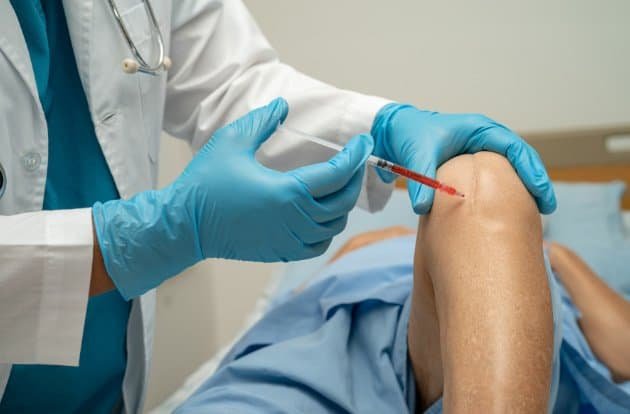
Leading sports medicine institutions emphasize a multidisciplinary, evidence-based approach to recovery. Clinicians frequently recommend the following established orthobiologic treatments:
- Platelet-Rich Plasma (PRP): This concentrates platelets from the patient’s own blood. It delivers high levels of natural growth factors directly to damaged tendons and ligaments to support repair.
- Bone Marrow Aspirate Concentrate (BMAC): This treatment uses stem cells and growth factors drawn from a patient’s bone marrow. It is used to effectively treat chronic tendonitis.
- Micro-fragmented Adipose Tissue (MFat): This cutting-edge technique harnesses the patient’s own fat tissue. As a result, it improves joint function and alleviates severe knee pain.
Find Your Personalized Recovery Plan
Every body heals differently. Take our free 2-minute assessment to discover the regenerative solution that best aligns with your body’s current needs and recovery goals.
Your Comeback Starts Here
The future of sports medicine is incredibly bright. The focus has shifted from pain suppression to advanced tissue remodeling. Today, regenerative therapies and peptides for joint pain in athletes are helping people reclaim their active lifestyles safely and efficiently. Whether you are dealing with a stubborn tendon strain, chronic joint degeneration, or post-surgical recovery, you no longer have to settle for temporary relief.
If you are tired of being sidelined by persistent pain, we are here to help. Contact us today or book an appointment. Together, we can build a personalized, evidence-based treatment plan designed to finally get you back in the game.
Join Our Mailing List
Love what you’re reading? Don’t miss out on the latest insights, tips, and inspiration! Subscribe to our blog and get fresh content delivered straight to your inbox.
📬 Be the first to know.
💡 Gain valuable ideas.
🎉 Join a growing community of informed minds.
Fill out the form, submit, and let’s keep the conversation going.🌟
Managing your health just got simpler. Find out how telehealth can work for you: