
Surviving the Stomach Bug: How Telehealth and Proper Nutrition Can Cure Viral Gastroenteritis
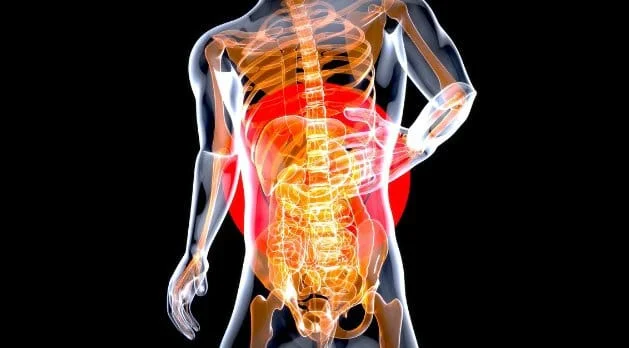
Viral gastroenteritis, more commonly known as the stomach flu, is a highly contagious infection that targets your stomach and intestines. In the United States alone, norovirus causes an estimated 21 million cases and around 2,500 reported outbreaks each year. When the virus strikes, sudden nausea, severe vomiting, diarrhea, and intense stomach cramping can leave you feeling completely depleted. Many patients now turn to telehealth for stomach flu dehydration symptoms, getting expert medical advice from the comfort of their own bed.
An Unexpected Interruption
The following scenario is based on an actual case we handled. We changed the patient’s name to protect his identity.
“Marcus,” a 19-year-old college sophomore, lived in a crowded dormitory. He fell violently ill with sudden vomiting and diarrhea right in the middle of midterm exams. Viral gastrointestinal illnesses spread easily in communal settings like dorms, making his situation unfortunately common. His roommate had been sick a few days prior. The virus spreads through direct person-to-person contact and contaminated surfaces. Marcus also frequently ate fresh fruit and leafy greens at the campus dining hall — foods commonly linked to norovirus outbreaks.
Too weak to walk across campus to the health clinic, Marcus worried about falling behind in his classes. He also needed to rehydrate without worsening his nausea. He reached out through our convenient, click-care-done telehealth platform to find out whether he needed emergency care or could safely manage his symptoms in his room — without infecting the rest of his residence hall.
Understanding the Culprit: Norovirus Outbreaks
Norovirus outbreaks occur year-round, though they peak between November and April. Most outbreaks begin when infected individuals spread the virus to others. This happens through direct contact — caring for someone who is ill, sharing eating utensils, or touching contaminated surfaces. Outbreaks frequently hit high-density settings such as long-term care facilities, childcare centers, schools, and cruise ships.
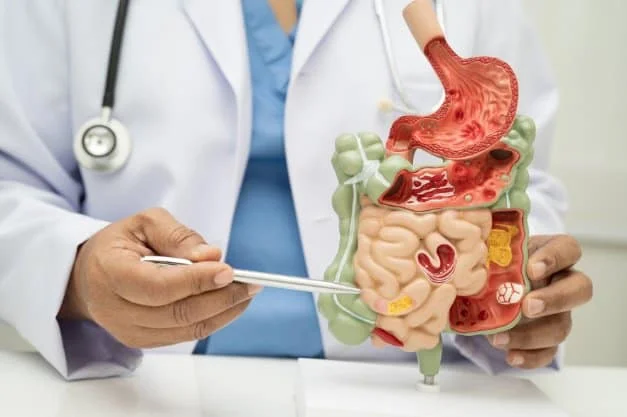
Foodborne transmission is also incredibly prevalent. Norovirus causes about 50% of all food-related illness outbreaks in the United States. Infected food workers can contaminate ready-to-eat foods by handling them with bare hands. Foods like leafy greens, fresh fruits, and shellfish can also carry the virus if they become contaminated at the source or farm.
Telehealth for Stomach Flu Dehydration Symptoms
When severe vomiting and diarrhea take hold, dehydration becomes the most serious concern. In the past, seeking medical advice meant dragging yourself to an urgent care clinic while actively ill. Today, telehealth makes that unnecessary. By connecting with a healthcare provider via a telemedicine platform, you get expert medical assistance from home. You also avoid spreading the virus in public waiting rooms.
Through a virtual consultation, your provider can help you manage symptoms and build a safe oral rehydration plan. No specific antiviral therapy exists for norovirus, so treatment focuses entirely on rest, hydration, and symptom management. A telemedicine provider can guide you on the right progression of fluids and foods. They can also determine whether your condition requires emergency in-person care.
At-Home Treatment and Nutrition
Once you’ve spoken with a provider, managing your fluid and food intake becomes the crucial next step.

Step 1: Hydration and Electrolytes
Drinking too much liquid at once can worsen nausea and vomiting. Start by sucking on ice chips to keep fluids down in the early stages. As your stomach settles, slowly introduce clear liquids like water, decaffeinated tea, and clear fruit juices. Electrolyte beverages and oral rehydration solutions help replace critical minerals your body loses during illness.
Step 2: Soothing the Stomach
Certain natural remedies can ease your discomfort. The smell of peppermint alone may reduce nausea, making peppermint tea a great option. Fresh ginger also helps alleviate nausea. Try grating ginger root into a warm tea or broth-based soup for effective relief.
Step 3: Reintroducing Solid Foods
When you feel ready to eat, stick to plain, easily digestible foods.
- Broth-Based Soups: Chicken noodle soup is roughly 90% water. It aids hydration and replenishes depleted sodium levels.
- The BRAT Diet: Bananas, rice, applesauce, and toast are gentle on the digestive tract and a safe starting point.
- Dry Grains and Potatoes: Plain crackers, dry cereal, and plain boiled potatoes deliver easily digestible carbohydrates and essential potassium.
- Lean Proteins: Plain eggs and lean poultry, baked or roasted without added fat, provide easy-to-digest protein.
- Water-Rich Fruits: Watermelon, strawberries, cantaloupe, and peaches are 80–90% water and pack essential vitamins.
During recovery, avoid caffeinated drinks, high-fat or fried meals, spicy ingredients, sugary drinks, and dairy products. These can irritate your stomach and worsen your symptoms.
Preventing the Spread
Immunity to norovirus is short-lived and poorly understood. That means you can catch it again. Good hygiene is your strongest defense. Hand sanitizer is less effective than soap and water, so wash your hands thoroughly with a moderate flow of warm water. Scrub your wrists, palms, backs of hands, fingertips, and nail beds for at least 10 to 15 seconds. If you share a bathroom, wipe down countertops, faucet handles, stall latches, and doorknobs after every use.
Take the Next Step Toward Recovery
Viral gastroenteritis is a grueling experience. But proper hydration, a gentle diet, and diligent hygiene will put you on the fast track to recovery. If you struggle to manage your symptoms or keep fluids down, you don’t have to navigate this alone. Contact us today or book an appointment through our telemedicine portal for customized, compassionate care — right from your home.
Medical note
This article is for general education only. It is not a diagnosis, treatment plan, prescription, or substitute for care from a licensed clinician. Emergency symptoms should be handled through emergency care or 911.
Related articles.

Telehealth for Stress-Induced Weight Gain: Breaking the Cortisol and Fat Cycle
Struggling with cortisol levels? Use telehealth for stress-induced weight gain to break the cycle and reclaim your metabolism...
Read Article →
The Rise of Telehealth: Your Ultimate Guide to Managing Symptoms and Getting an Instant Allergy Prescription Refill Online
Allergy seasons are getting worse. Learn how telehealth can help you manage symptoms, get prescription refills online, and...
Read Article →
Revitalize Your Health: Telehealth for Spring Energy
Feeling sluggish? Learn how seasonal shifts affect your hormones and metabolism. Book a virtual consult for a...
Read Article →