
Skin Volume Loss After Weight Loss: What’s Happening — and How to Stay Ahead of It

Losing weight is an incredible achievement. It takes deep emotional and physical investment. Yet as you celebrate your progress, you might notice unexpected changes in the mirror. Your skin may look less firm and full than before. This can feel surprising, and even a little disheartening.
Please know that this is an incredibly common experience. Skin volume loss after weight loss is simply a physiological response to your changing body. It is not a flaw in your journey. As you shed pounds, your skin is trying to keep up with the new you.
Let’s explore why these changes happen, what they mean for your health, and the gentle, proactive steps you can take to support your skin.
What Is Skin Volume and Why Does It Matter?
To understand what your skin is going through, it helps to look beneath the surface. Your skin gets its youthful plumpness from three main components: subcutaneous fat, collagen, and elastin.
- Subcutaneous fat: Sits just beneath your skin, acting as a supportive, cushioning foundation.
- Collagen: Serves as the primary structural protein in your skin—think of it as sturdy scaffolding. It accounts for over 70% of the skin’s dry weight, giving your skin its tensile strength and stability.
- Elastin fibers: Work right alongside collagen. They provide elasticity and the “snap-back” quality that lets your skin stretch and recover.
Together, these elements maintain your skin’s volume and smooth appearance.
Why Rapid Weight Loss Is Uniquely Hard on Your Skin
When you lose weight gradually, your skin has more time to retract and adjust. However, medications like semaglutide and tirzepatide often lead to a much faster rate of loss. This rapid pace means GLP-1 skin changes can become more noticeable, as the fat loss simply outpaces your skin’s adaptation process.
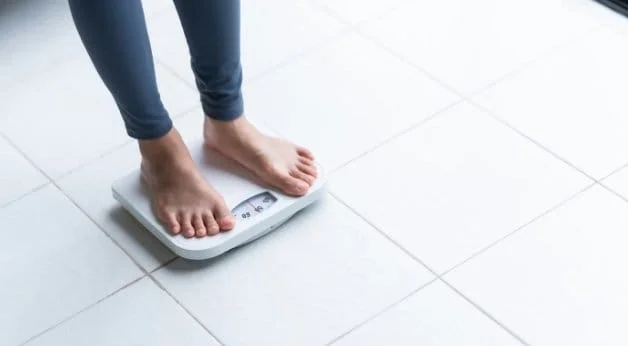
This acceleration is uniquely challenging. The underlying fat cushion disappears quickly, and without that supportive layer, the skin begins to deflate. The result is a visible decrease in plumpness and increased wrinkling.
Age is also a significant compounding factor, particularly for adults between 35 and 65. As we get older, our bodies naturally decrease collagen production, causing the structural fibers in our skin to become more fragmented and disorganized. This inherent collagen loss, combined with the effects of weight loss, means mature skin simply doesn’t bounce back as quickly as it once did. The end result is a reduction in skin elasticity after GLP-1 use, leaving the skin feeling looser, thinner, and more fragile than you might expect.
It’s Not Just Your Face
Facial volume loss often gets the most attention because it is the most visible. But these changes are happening all over your body. Skin laxity after weight loss is completely normal in several other areas too:
- The neck and décolletage: Common places to see early changes because the skin here is naturally thinner and holds less underlying fat to begin with. This makes it highly susceptible to becoming crepey or loose as weight drops off.
- The hands: May appear more veiny or bony as the cushioning fat in that area diminishes.
- The upper arms: Another frequent area of concern. As arm circumference shrinks rapidly, the skin may struggle to tighten at the same pace, creating a softer, less firm appearance.
Recognizing these volume changes as a normal, full-body response can help ease any worry you feel as your body transforms.
Can You Slow It Down?
You do not have to just sit back and watch these changes happen. There are several proactive ways to support your skin’s health during this transition:
- Prioritize your protein intake: Aim for 1.6 grams of protein per kilogram of body weight. This gives your body the building blocks it needs to repair tissues and maintain muscle mass.
- Pair this with regular resistance training: Building muscle gently pushes against the skin from the inside, restoring a firmer look.
- Stay deeply hydrated: Dehydrated skin appears much thinner and more wrinkled.
You can also support your skin from the outside in with targeted topical ingredients:
- Ceramides: These healthy fats help strengthen your skin’s protective barrier and reduce everyday stress signals that break down deeper structures.
- Peptides: These act as cellular messengers, signaling your skin to promote healthier matrix function and support natural firmness.
- Vitamin C: This powerful antioxidant helps defend your skin against the oxidative stress that contributes to structural breakdown.
- SPF: Daily broad-spectrum sunscreen is vital, as UV damage is one of the fastest ways to erode your skin’s architecture across all layers.
We Are Here to Support You
If you feel overwhelmed by these changes, we are here to help. Contact us to discuss personalized strategies that fit safely into your current treatment plan.

Your weight loss journey is a profound step toward better health. Adjusting to your new body takes time and patience. Be gentle with yourself and your skin as you navigate this transition. Understanding the science behind these changes empowers you to take proactive steps—and nurture your skin every step of the way.
Not sure where to start with peptide-related questions? Use Get Care Now to request a Hamilton care review.
Medical note
This article is for general education only. It is not a diagnosis, treatment plan, prescription, or substitute for care from a licensed clinician. Emergency symptoms should be handled through emergency care or 911.
Related articles.
The Biology of Success: Understanding Sustainable Weight Loss Science
Explore sustainable weight loss science. Use peptides to manage hunger and stop cravings for lasting results with a...
Read Article →
Your Ultimate Guide to Weight Loss and Weight Management
Join us on an exciting journey toward effective Weight Management, packed with tips and motivation for a healthier you.
Read Article →
Beyond the Shot: Building Long-Term Success After GLP-1 Therapy for Weight Management
For many people, starting GLP-1 therapy for weight management feels like finally finding the missing puzzle piece. After years...
Read Article →