Services
Metabolic & Wellness Functional Medicine GLP-1 Therapy Longevity Peptide Therapy Weight Management Everyday Telehealth COVID-19 & Long COVID Lab Work Medication Refills Specialty Pharmacy Orders Urgent Care Private Support Erectile Dysfunction STD/STI Treatment
Store About
Resources Blog GLP-1 Cheatsheet FAQs
For Partners Get Care Now
407-550-5441 contact@myhamiltonhealth.com
Get Care Now

Urgent care for concerns that cannot wait for guessing.

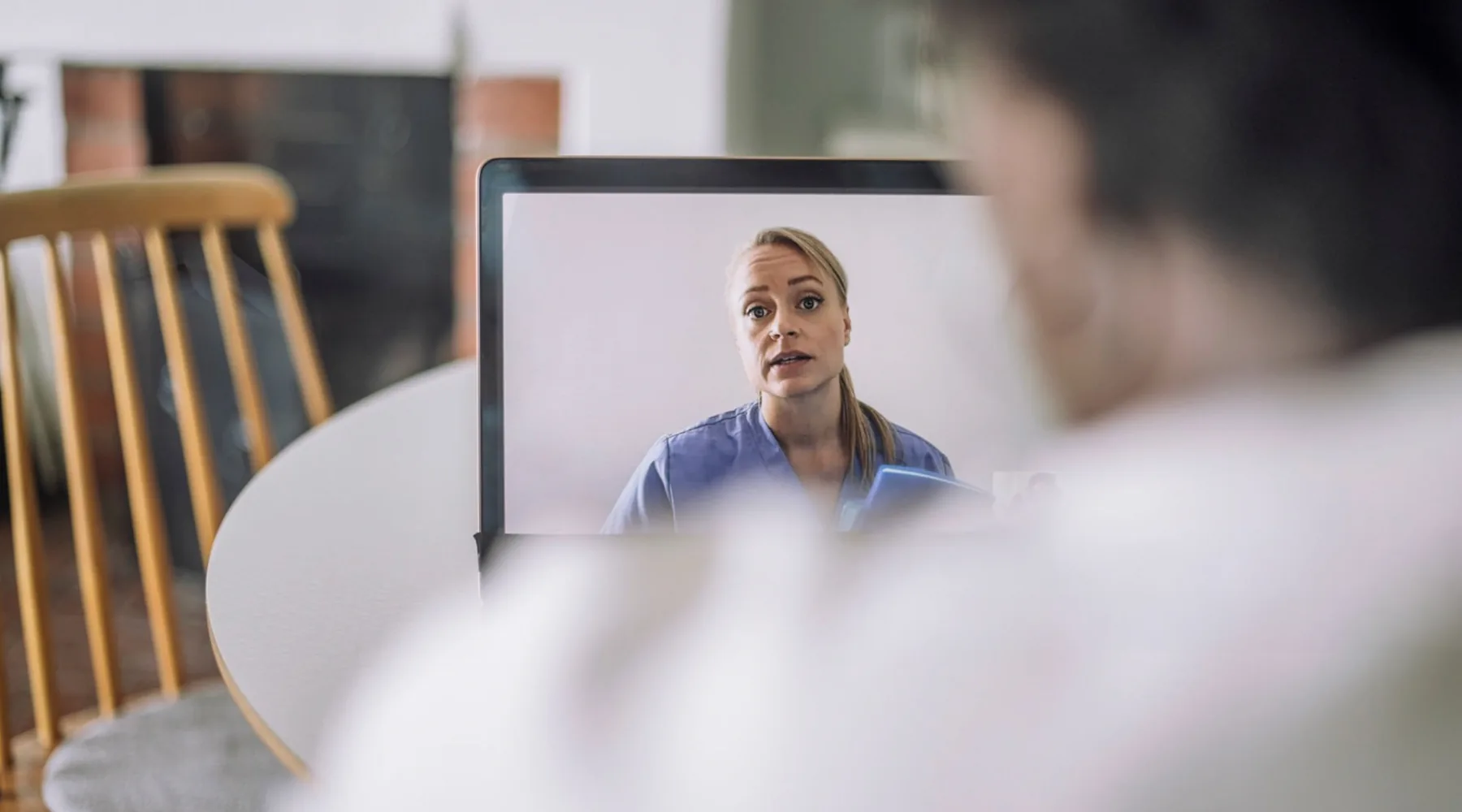
Hamilton Telehealth can help with common non-emergency concerns through a provider-reviewed online visit. Share what is going on, and a provider can help determine appropriate next steps, whether that means care guidance, a prescription discussion, follow-up, or referral to in-person care.


Patient using Hamilton Telehealth for a non-emergency urgent care concern
Format
Secure telehealth
Best for
Non-emergency concerns
Review
Provider-reviewed
Emergencies
Call 911
Hamilton Telehealth provider reviewing an urgent care request
01 · How it works

A clearer next step for non-emergency symptoms.

Telehealth urgent care works best for concerns that need timely guidance but are not medical emergencies. Hamilton starts with an intake so a provider can understand your symptoms, risks, and whether online care is appropriate.

  • 1Describe your concernShare symptoms, timing, medications, allergies, and anything that has changed.
  • 2Get provider reviewA Hamilton Telehealth provider reviews whether the concern appears appropriate for telehealth.
  • 3Receive next-step guidanceYour provider may recommend self-care, follow-up, medication discussion, testing, or in-person evaluation.
Patient resting while managing non-emergency symptoms at home
02 · What it can support

Timely guidance for common questions.

Urgent care can help organize the questions patients bring when symptoms need guidance but do not require emergency care.

  • Non-emergency symptoms
  • Care guidance
  • Medication discussion
  • Follow-up planning
  • Testing recommendations
  • In-person referral when needed
Is telehealth urgent care for emergencies?
No. If you have chest pain, trouble breathing, severe allergic reaction, stroke symptoms, severe bleeding, thoughts of self-harm, or another emergency, call 911 or go to the nearest emergency room.
Can I get a prescription?
Possibly, but prescriptions are not guaranteed. A provider reviews your symptoms, history, and clinical fit before recommending treatment.
What if my concern needs in-person care?
Your provider can recommend in-person evaluation, emergency care, testing, or follow-up when telehealth is not appropriate.
Can urgent care replace my primary care provider?
No. It can help with certain non-emergency needs, but primary care is still important for ongoing conditions, prevention, and complete medical history.
What information should I include?
Include your symptoms, when they started, medications, allergies, relevant medical history, and any warning signs.

Hamilton Telehealth urgent care is not for medical emergencies. If you are experiencing a medical emergency, call 911 or go to the nearest emergency room. Treatment, prescriptions, testing, and referrals depend on provider review and clinical appropriateness.