
The 6 Silent Killers Men Ignore (And the Simple Habits That Add Years to Your Life)

Mark, a 44-year-old manager, felt completely fine. He played weekend basketball, worked 50-hour weeks, and considered himself highly active. But during a rare visit to a healthcare provider for a lingering cough, he discovered his blood pressure was dangerously high. Mark’s story is incredibly common, highlighting a stark reality about male longevity. In the United States, men live an average of five to six years fewer than women. If you are wondering how to live longer as a man, the answer starts with acknowledging that the leading threats to your lifespan are largely preventable.
Why Men Wait
Because of deep-rooted cultural scripts, many men view their bodies like machines that should simply push through the pain. Men often feel invincible and consistently delay seeking care until a minor symptom escalates into a full-blown crisis. Moreover, “waiting room discomfort syndrome” and busy schedules keep many men away from routine checkups.
This avoidance is incredibly dangerous when dealing with silent conditions. High blood pressure, arterial disease, and liver stress can quietly damage your body for years without producing a single warning sign. Reclaiming your health means recognizing that preventative maintenance is the ultimate form of strength.
The 6 Silent Killers
When looking at the leading causes of death in men, six primary threats stand out.
1. Heart Disease
Heart disease sits at the very top of the list. What makes it so sneaky is that a man’s risk for coronary heart disease begins to accelerate rapidly around age 35, years before most people worry about their cardiovascular health. Your actionable insight is to establish a cardiovascular baseline with a licensed clinician in your early 30s rather than waiting for midlife.
2. Cancer
Cancer is the second major threat, heavily driven by prostate, lung, and colorectal diagnoses. Colorectal cancer is particularly deceptive because its early signs, such as minor changes in bowel habits, are easily dismissed. Your actionable insight is to schedule a routine colorectal screening starting at age 45.
3. Accidents and Unintentional Injuries
Accidents and unintentional injuries rank third. Subsequently, men suffer disproportionately from these events due to hazardous occupational environments and a higher statistical likelihood of risk-taking behaviors. Your actionable insight is to strictly adhere to workplace safety protocols and wear protective gear during recreational activities.
4. Stroke
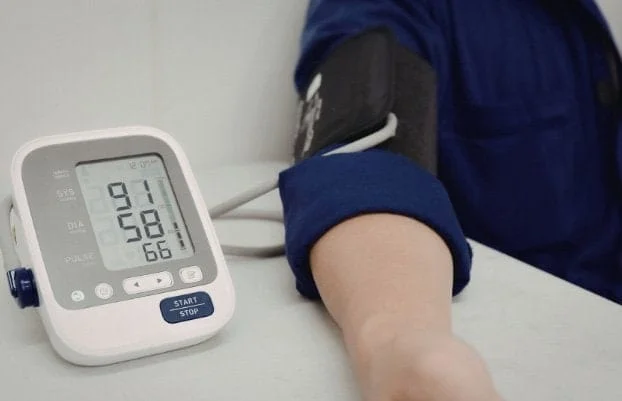
Stroke is the fourth major killer, often striking completely out of the blue. It is primarily driven by unchecked high blood pressure that silently damages blood vessels over decades. Your actionable insight is to monitor your blood pressure regularly, treating it as the most critical number for your long-term brain health.
5. Chronic Lower Respiratory Diseases
Chronic lower respiratory diseases round out the top five. These conditions are sneaky because they often mask themselves as a standard, persistent cough or mild shortness of breath before severely limiting your lung capacity. Your actionable insight is to completely eliminate smoking and vaping, which are the primary drivers of this disease.
6. Diabetes and Chronic Liver Disease
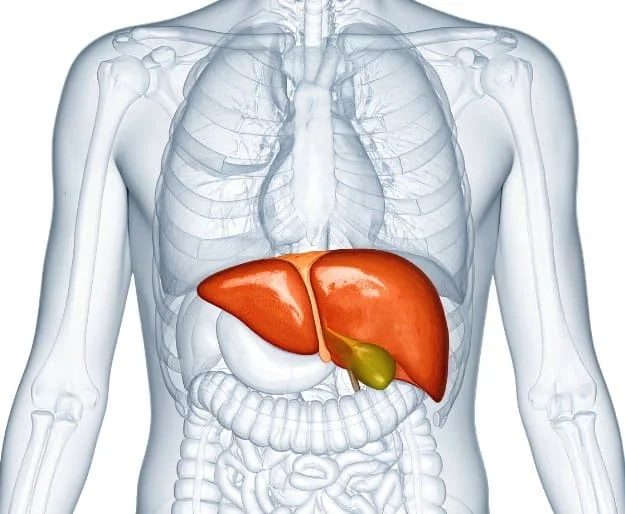
Finally, diabetes and chronic liver disease frequently work together to undermine male health. Liver cancer incidence is roughly 2.5 times higher in men than in women. These conditions develop quietly alongside gradual weight gain and routine alcohol consumption. Your actionable insight is to proactively manage your waistline and monitor your blood sugar to keep metabolic stress at bay.
Know Your Numbers
Tracking your internal health is critical for preventive health for men over 40. Note: The target ranges below reflect general medical standards. Always check with your healthcare provider to confirm what’s right for you.
| Health Marker | Target Range | Testing Frequency |
|---|---|---|
| Blood Pressure | < 120/80 mmHg | Annually |
| LDL Cholesterol | < 100 mg/dL | Annually |
| Liver Enzymes (ALT/AST) | Normal lab range | Annually |
| Fasting Blood Sugar | < 100 mg/dL | Annually (starting age 35) |
| BMI | 18.5 – 24.9 kg/m² | Annually |
Screening Recommendations by Decade
In Your 30s: Build Your Foundation
Your priority is establishing a relationship with a medical professional to discuss your personal and family history. You should begin tracking your blood pressure, BMI, and cholesterol, while also prioritizing mental health screenings and testicular self-exams.
In Your 40s: Escalate Preventative Measures
It is time to escalate your preventative measures. You must schedule your first colorectal cancer screening at age 45. Additionally, Black men should initiate discussions about prostate cancer screening at age 45 due to higher risk factors.
In Your 50s and Beyond: Stay Consistent
Consistency is your best defense. Continue your annual wellness exams and stay current on routine cancer screenings. If you have a history of smoking, discuss low-dose CT lung cancer screening with your healthcare provider.
5 Universal Habits That Add Years to Your Life
The best men’s health tips revolve around five core behaviors.
1. Move Consistently
Aim for at least 150 minutes of moderate aerobic activity every week, which dramatically lowers the risk of heart disease and multiple cancers.

2. Sleep Like It’s Medicine
Treat your rest as a non-negotiable tool for repairing daily wear and tear.
3. Eat for Your Heart and Liver
Increase your intake of fruits, vegetables, and dietary fiber to support long-term cardiovascular and metabolic health.
4. Moderate Your Alcohol Intake
Heavy consumption directly feeds liver disease and increases your overall cancer risk.
5. Secure Your Annual Baseline Labs
Get your numbers checked annually so you can catch minor deviations before they become major health crises.
Conclusion
Your health is the highest-ROI investment you will ever make. Do not wait for a random checkup to reveal a hidden danger, like Mark did with his blood pressure. Frame your health risks as manageable challenges that you have the power to overcome today. Take action now: book an appointment with our licensed clinician today to secure your future.
Frequently Asked Questions
What age should men begin heart screenings?A man’s risk for developing cardiovascular disease begins to accelerate significantly around age 35, much earlier than in women. Because of this early turning point, you should begin tracking your baseline cardiovascular health in your early 30s.
Liver disease is dangerously silent in its early stages and usually presents no obvious symptoms. When symptoms finally do appear—such as abdominal pain, unexpected weight loss, or jaundice—the disease is typically already advanced.
Does exercise actually lower heart disease risk?Yes. Consistently meeting the recommendation of 150 minutes of moderate activity per week significantly decreases your risk for cardiovascular issues and various forms of cancer.
Can you reverse high blood pressure naturally?Lifestyle choices make a massive impact on blood pressure. Maintaining a healthy body weight, staying physically active, and consuming a nutrient-rich diet are highly effective strategies for reducing cardiovascular risk and lowering blood pressure.
Medical note
This article is for general education only. It is not a diagnosis, treatment plan, prescription, or substitute for care from a licensed clinician. Emergency symptoms should be handled through emergency care or 911.
Related articles.
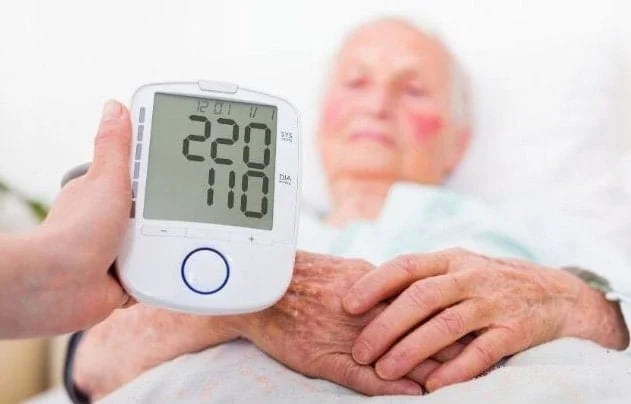
Take Control of Your Health: The Power of Telehealth for Hypertension
Manage high blood pressure effectively with telehealth for hypertension. Explore virtual care, home monitoring, and team...
Read Article →
The Pillars of Progress: Why Consistency and Follow-Through Define Wellness Success
In today’s health and wellness space, fast results are heavily marketed. Promises of rapid weight loss, instant energy, and...
Read Article →
The Hamilton Health & Wellness Solution: Direct-Pay Telehealth
We’ve reimagined healthcare by removing the middleman. With Hamilton Health & Wellness’s no-insurance telehealth model, you pay...
Read Article →